
Centralized crypto exchanges saw trillion volume
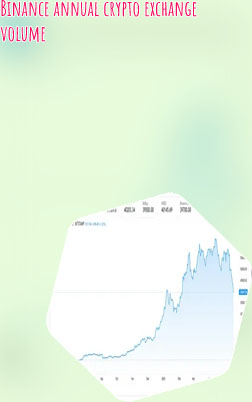
Centralized crypto exchanges have been experiencing a surge in trading volume, with trillions of dollars being transacted on these platforms. This increase in activity has sparked discussions around the implications for the crypto market and the broader financial industry. To gain a deeper understanding of this trend, we have compiled a list of four articles that delve into various aspects of centralized crypto exchanges and their growing volume.
The Rise of Centralized Crypto Exchanges: What It Means for Retail Investors
none
Regulatory Challenges Faced by Centralized Crypto Exchanges Handling Trillion Dollar Volumes
In the fast-paced world of cryptocurrency exchanges, centralized platforms are facing significant regulatory challenges as they handle trillions of dollars in volume. With governments around the world cracking down on crypto trading, these exchanges must navigate a complex web of regulations to stay compliant.
One major issue faced by centralized exchanges is the lack of uniform regulations across different jurisdictions. Each country has its own set of rules regarding cryptocurrency trading, which can create compliance headaches for exchanges operating on a global scale. Additionally, the evolving nature of these regulations means that exchanges must constantly adapt their policies to stay in line with the law.
Another challenge is the increased scrutiny from regulatory bodies, who are concerned about the potential for money laundering, fraud, and other illegal activities on crypto exchanges. This has led to stricter due diligence requirements for customer onboarding, as well as enhanced transaction monitoring to detect suspicious behavior.
Furthermore, centralized exchanges must also contend with the threat of regulatory enforcement actions, which can result in hefty fines or even shutdowns. This puts pressure on exchanges to invest in robust compliance programs and legal resources to mitigate these risks.
In conclusion, centralized crypto exchanges handling trillion-dollar volumes are facing a host of regulatory challenges that require careful navigation and proactive measures to ensure long-term sustainability in an increasingly complex regulatory environment.
Security Risks Associated with High Volume Trading on Centralized Crypto Exchanges
With the rise in popularity of cryptocurrencies, centralized crypto exchanges have seen a surge in high-volume trading. While this may seem like a lucrative opportunity for traders, it also poses significant security risks.
One of the main concerns associated with high-volume trading on centralized exchanges is the potential for hacking. These exchanges are prime targets for cybercriminals due to the sheer volume of transactions and funds involved. In recent years, there have been several high-profile hacks on centralized exchanges, resulting in millions of dollars' worth of cryptocurrencies being stolen.
Another security risk is the lack of regulatory oversight on these exchanges. Unlike traditional financial institutions, centralized crypto exchanges operate in a largely unregulated environment, making them vulnerable to fraudulent activities and market manipulation.
Moreover, the centralized nature of these exchanges means that users have to trust the exchange with their funds, exposing them to the risk of theft or mismanagement. In the event of a security breach or financial misconduct, users may struggle to recover their assets.
In conclusion, while centralized crypto exchanges offer convenience and liquidity for high-volume traders, they also come with inherent security risks. It is essential for traders to exercise caution and conduct thorough research before engaging in large-scale trading on these platforms to mitigate the risks associated with them.
The Role of Market Makers in Driving Liquidity on Centralized Crypto Exchanges with Trillion Dollar Volumes
none